
Need a Plumber in Yorba Linda? We’re Available Today.
Upfront pricing. No surprises. Over 1,000 five-star reviews.
Pipe Lining in Yorba Linda, California: The Ultimate Guide to Trenchless Sewer Repair
If you own a home in Yorba Linda, you already know that maintaining your property goes beyond lawn care and interior updates. Your plumbing system—especially your sewer and water lines—is a critical infrastructure that keeps your household running smoothly. When problems strike, they can be costly, disruptive, and stressful. That’s where pipe lining comes in.
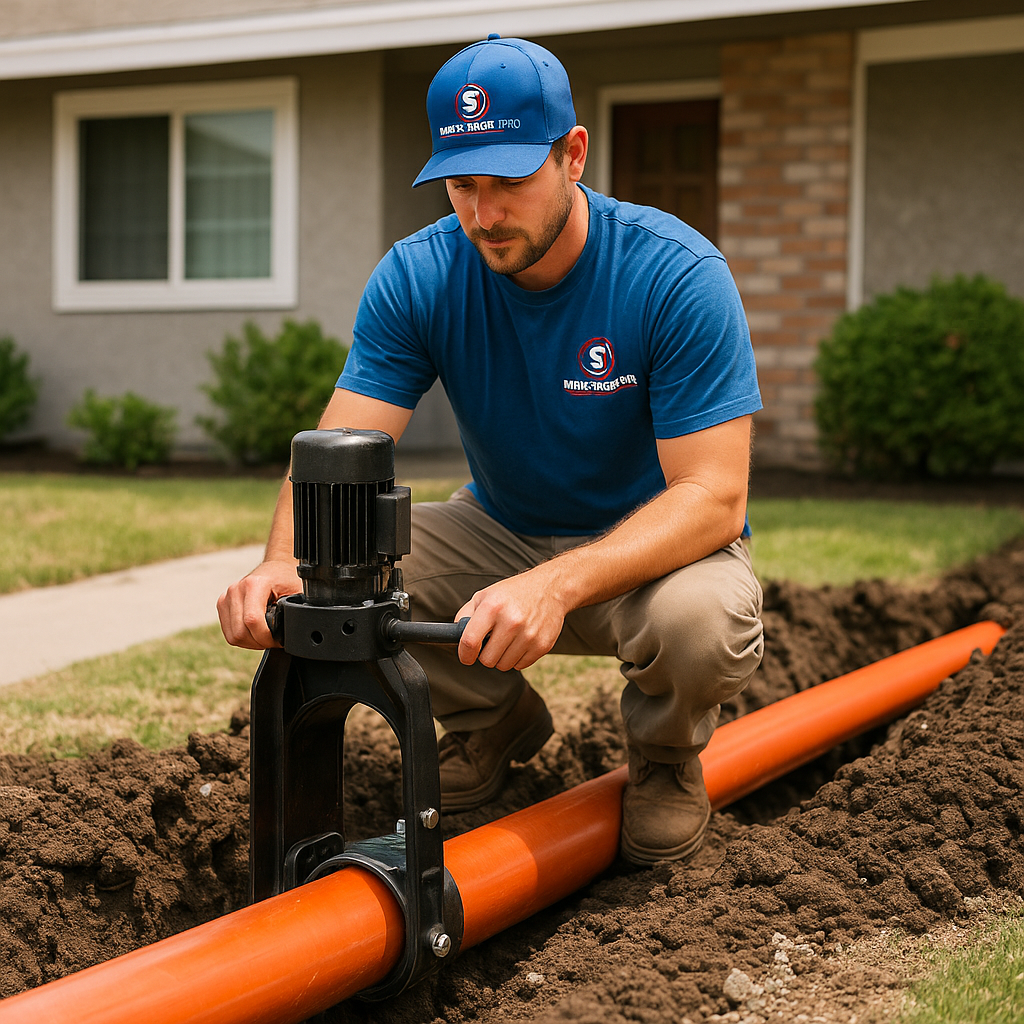
Pipe lining is a modern, trenchless technology that repairs damaged pipes without excavation. For homeowners in upscale neighborhoods like East Lake Village, Travis Ranch, and Hidden Hills, this solution offers peace of mind, minimal landscape disruption, and long-lasting results. This comprehensive guide covers everything you need to know about pipe lining in Yorba Linda, including when you need it, how it works, and how to find the right contractor.
Understanding Pipe Lining: What It Is and Why Yorba Linda Homeowners Need It
Pipe lining, also called cured-in-place pipe (CIPP) lining, is a trenchless repair method that restores damaged pipes from the inside out. Instead of digging up your yard, a flexible liner saturated with epoxy resin is inserted into the damaged pipe. Once in place, it hardens and forms a new pipe within the old one, sealing cracks, breaks, and joint failures.
Yorba Linda homeowners face unique plumbing challenges that make pipe lining especially valuable. The area’s distinctive clay and decomposed granite soil mix, combined with hillside lots prone to shifting, creates conditions that can stress and damage sewer lines over time. Many homes in neighborhoods like Lakeview and Vista Del Verde were built in the 1970s through 1990s, meaning pipes are aging and increasingly vulnerable to problems. Hard water (typically 200-250 ppm in Yorba Linda) accelerates scale buildup in fixtures and can contribute to pipe deterioration in older systems.
Unlike traditional excavation methods, pipe lining preserves your beautiful landscaping and irrigation systems—something that matters deeply in a community known for well-maintained estates and custom outdoor spaces.
Common Pipe Problems in Yorba Linda and What Causes Them
Aging Water and Sewer Lines
Yorba Linda’s housing stock includes many homes built in the 1970s-1990s. Pipes from that era are now 30-50 years old. Older materials like clay tiles, cast iron, and early PVC can develop cracks, corrosion, and joint separation. Hard water deposits also accelerate deterioration of metal pipes.
Soil Movement and Hillside Stress
Eastern Yorba Linda neighborhoods, especially in areas like Hidden Hills, sit on hillside lots with unstable soil. The clay and decomposed granite mix is prone to movement during wet seasons and dry periods. This ground shifting places lateral stress on sewer lines, causing them to crack, misalign, or collapse partially. Homes in these areas experience sewer line problems at higher rates than flatland properties.
Irrigation System Conflicts
Yorba Linda’s landscape-focused culture means most homes have extensive irrigation systems. Tree roots seeking water often infiltrate sewer lines, causing blockages and structural damage. Additionally, poorly planned irrigation routing can physically damage water and sewer pipes during installation or maintenance.
Hard Water Scale and Mineral Buildup
With water hardness at 200-250 ppm, Yorba Linda residents deal with significant scale accumulation inside pipes. This reduces water pressure, damages high-end fixtures, and can eventually restrict flow to the point of backup.
Root Intrusion in Older Pipe Systems
The lush landscaping common in Travis Ranch, East Lake Village, and other upscale neighborhoods means mature trees with aggressive root systems. Roots naturally seek moisture and nutrients from sewer lines, entering through cracks and joint gaps. Once inside, they create blockages and structural damage.
Signs Your Yorba Linda Home Needs Pipe Lining
Catching pipe problems early is crucial. Watch for these warning signs:
- Slow drains: Multiple fixtures draining slowly suggests a blockage or buildup in the main line.
- Recurring backups: If your toilet or shower backs up repeatedly despite plunging, the problem is deeper in the system.
- Sewage odors: Foul smells inside or outside your home indicate a breach or crack in the sewer line.
- Patches of lush grass: Ironically, overly green patches in your yard can signal a sewer line leak—the effluent is fertilizing that spot.
- Sinkholes or settling ground: Visible depressions in your landscape, especially near sewer runs, suggest structural failure underground.
- Rodent or insect infestations: Cracks in sewer lines can allow pests to enter your home.
- Low water pressure: If it’s widespread throughout your home (not just one fixture), mineral buildup or internal pipe damage may be the cause.
- Frequent plumbing repairs: If you’re calling a plumber multiple times per year, the underlying issue is likely in the main line.
How Pipe Lining Works: A Step-by-Step Overview
1. Professional Inspection and Diagnosis
The process begins with a video inspection. A plumber inserts a small camera into the pipe to identify cracks, blockages, root intrusion, and other damage. This step determines if pipe lining is appropriate or if other solutions are needed.
2. Cleaning and Preparation
Before lining, the pipe must be thoroughly cleaned. This removes scale, grease, root blockages, and other debris that could prevent the liner from sealing properly. High-pressure water jetting is typically used for this step.
3. Liner Installation
A flexible fabric tube saturated with epoxy resin is inserted into the damaged pipe. The liner is carefully positioned to align with the pipe’s entire length, covering all cracks and damage points.
4. Curing and Hardening
Once in place, the epoxy is cured using heat, steam, or ultraviolet light (depending on the pipe type and location). This hardens the liner and bonds it to the pipe’s interior, creating a new structural surface.
5. Final Inspection and Testing
Another video inspection confirms the liner is properly cured, fully seated, and free of defects. Flow tests verify that water and waste move through the pipe normally.
The entire process typically takes one to three days, depending on pipe length and complexity. Because it’s trenchless, your landscape—including irrigation systems and hardscape features—remains undisturbed.
When to Call a Professional Versus DIY Approaches
When DIY Inspection and Maintenance Can Help
While pipe lining itself is strictly professional work, homeowners can take preventive steps to avoid problems:
- Regular drain cleaning: Use enzyme-based drain cleaners monthly to break down organic buildup. For Yorba Linda’s hard water, enzyme treatments are safer than chemical drain cleaners on older pipes.
- Monitor water pressure: If you notice declining pressure, run a quick test by filling a one-gallon bucket from your outdoor hose, timing how long it takes. If it takes longer than 30 seconds, scaling or internal buildup may be present.
- Check irrigation lines: Walk your landscape quarterly and look for soft spots, overly wet areas, or changes in plant health. These can indicate leaks in buried irrigation or water lines.
- Clear gutters and downspouts: This prevents water from pooling near foundation lines, which can accelerate soil movement and pipe stress on hillside lots.
- Be mindful of landscaping: When planting trees or shrubs, choose species with less aggressive root systems. Consult a local landscaper familiar with Yorba Linda’s soil conditions.
When You Absolutely Need a Professional
Stop and call a licensed plumber immediately if you experience:
- Sewage backing up into your home
- Sinkholes or major ground subsidence
- Multiple drains backing up simultaneously
- Persistent sewage odors despite cleaning efforts
- Water pooling in your yard for no apparent reason
- Visible cracks or damage to exposed pipes
These are not DIY situations. Incorrect handling can worsen damage, create health hazards, and violate local building codes. Professional diagnosis is essential because what seems like a simple clog might actually be a cracked line or root intrusion requiring pipe lining or other advanced solutions.
Why Pipe Lining Is Ideal for Yorba Linda Properties
Preserves Your Landscape Investment
Yorba Linda homes pride themselves on beautiful outdoor spaces. Traditional excavation requires digging trenches through manicured yards, destroying irrigation systems, hardscaping, and landscaping. Pipe lining avoids all of that, making it the clear choice for homeowners in East Lake Village, Travis Ranch, and similar neighborhoods.
Cost-Effective for Large, Complex Properties
Many Yorba Linda homes are larger with longer sewer and water lines. Excavation quotes for these properties can run $10,000-$30,000+. Pipe lining is typically 30-50% less expensive, especially for longer runs.
Addresses Hard Water and Scale Damage
One benefit of pipe lining is that the new epoxy-coated surface is smooth and non-porous. This resists hard water scale buildup, helping restore flow and reduce future corrosion.
Handles Hillside Soil Movement
For homes on hillside lots where soil shifts and pipes crack, pipe lining seals those cracks and restores structural integrity. The new liner is flexible enough to accommodate minor future movement while remaining watertight.
Quick Installation with Minimal Disruption
Most pipe lining jobs in Yorba Linda are completed within 1-3 days, compared to weeks for traditional excavation repair. This is critical for homeowners who want to minimize disruption to their daily lives.
Comparing Pipe Lining to Traditional Pipe Repair and Replacement
Traditional Excavation and Replacement
Pros:
- Replaces pipe with entirely new material
- Addresses very severe damage that may not be suitable for lining
- Longer-term solution if existing pipe is beyond repair
Cons:
- Expensive ($15,000-$50,000+ for typical Yorba Linda properties)
- Destructive to landscape and irrigation systems
- Takes weeks to complete
- Requires heavy equipment on your property
- May require street cuts if the line crosses public right-of-way
Spot Repair (
Ready to Get This Handled?
Same-day and next-day appointments available. Licensed & insured.
Ready to Get This Handled?
Same-day and next-day appointments available. Licensed & insured.
Comments are closed